
The winter months can be harsh on the skin. Cold weather doesn't just dry the surface of the skin; it disrupts lipids, slows repair, and increases sensitivity. This creates the need for ingredients that replenish fats, calm inflammation, and reinforce the barrier rather than just add moisture. During winter, your skin needs comfort, structure, and flexibility, and no single ingredient provides all three on its own.
This is where thinking in terms of ingredient ecosystems becomes useful. Winter skin changes week to week depending on the weather, heating, hormones, and stress. Rather than relying on one hero product, supporting the skin means drawing from a small group of ingredients that work together, stepping in when the skin needs comfort, reinforcement, or repair.
Comfort and Repair
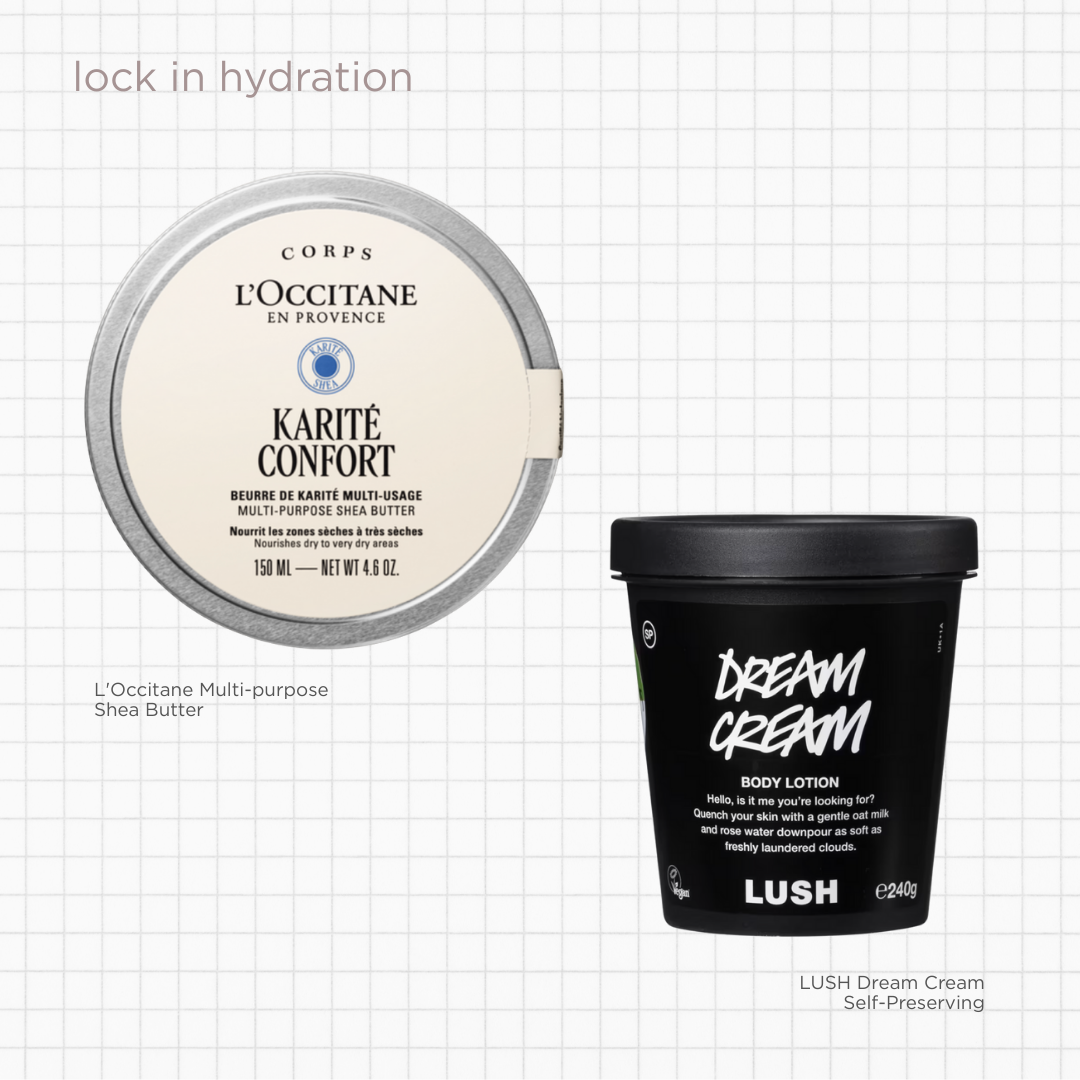
Ingredients like Shea and oat are traditionally used for comfort and repair, especially for compromised skin. Historically, oat has been used to calm inflammation and itchiness, while shea replenishes lipids and protects against transepidermal water loss. Shea has been used as both a comforting ingredient and a protective one, creating a seal that prevents moisture loss.
They work best when the skin barrier is already slightly damp, locking in hydration rather than sitting on dry skin. I like to moisturise onto damp or wet skin after a shower to maximise the moisturising potential of my skin. These ingredients perform best when used to trap water rather than replace it.
Ceramides as the Foundation
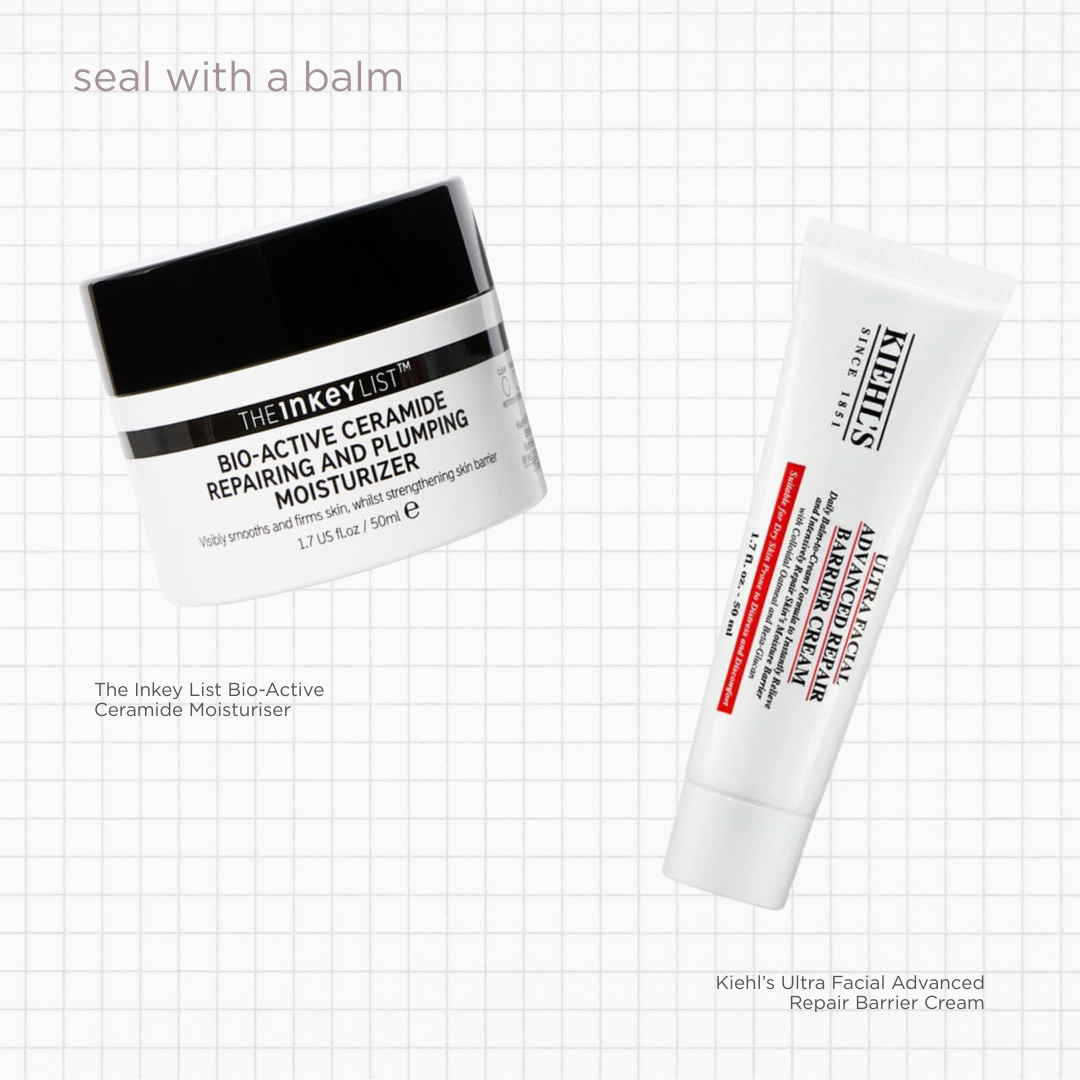
Ceramides are a non-negotiable in winter. Ceramides are part of the skin’s natural lipid matrix, and cold weather depletes them faster due to heating and low humidity. When used in skincare, they mimic this structure, helping repair cracks caused by cold air and heating. Think of ceramide-based products as staples all year round rather than trending products.
You might layer different ingredients by using a cream-based moisturiser and then seal it with a balm or oil if needed. This approach allows you to adjust based on how your skin feels that day. On colder or windier days, sealing with an oil or balm can prevent moisture loss, while milder days may only require a ceramide cream. Paying attention to how your skin responds is more effective than following a fixed routine throughout the entire season.
Don’t forget the Body
Remember to nourish your body too. Often, we focus on putting our best face forward and neglect the rest of our bodies. Winter dryness often affects the body worse than our face. Think dry hands and feet, or the tight feeling you get when you haven't moisturised properly. Incorporate the traditionally soothing ingredients into your routine. Body skin often benefits from heavier textures in winter, particularly on areas like shins, elbows, hands, and feet. Applying creams or oils after bathing, while skin is still warm and slightly damp, helps ingredients absorb more effectively and reduces that tight, uncomfortable feeling that colder weather can bring.
Even consider oils, as they add flexibility to the barrier, especially on the body, where winter dryness is often worse.
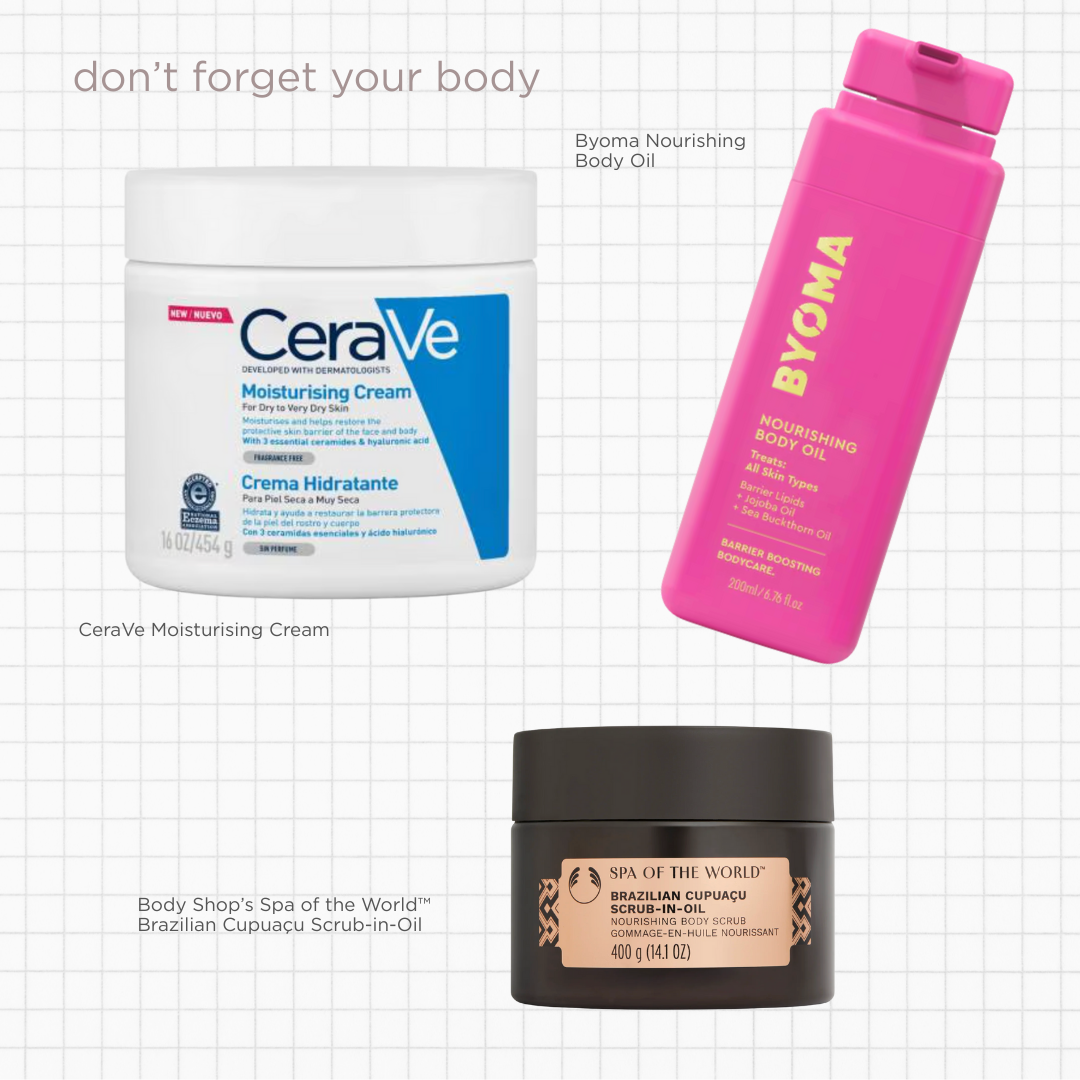
Perhaps think of complementing the standard soothing ingredients with something newswire or different. Cupuaçu, a deeply moisturising Amazon-derived ingredient, is popular in Brazilian skincare. Cupuaçu butter is an excellent emollient that restores elasticity to the skin while providing antioxidants and hydration.
Winter skin support is about layering and consistency, not chasing new products. Ingredients work best when combined thoughtfully and used regularly. Not all of these ingredients have to be integrated into your winter. See them as a part of a wider ecosystem of ingredients and products you rely on to soothe and nourish your skin. See what reactions with you and how your skin feels at the moment.
Some days call for richer textures and occlusion, while others need light nourishment and calm. When skincare feels responsive rather than rigid, it becomes easier to maintain and more effective over time. Notice what feels comforting, what reduces tightness, and what helps skin recover faster. A winter routine isn’t a perfect science and can change as our skin changes.