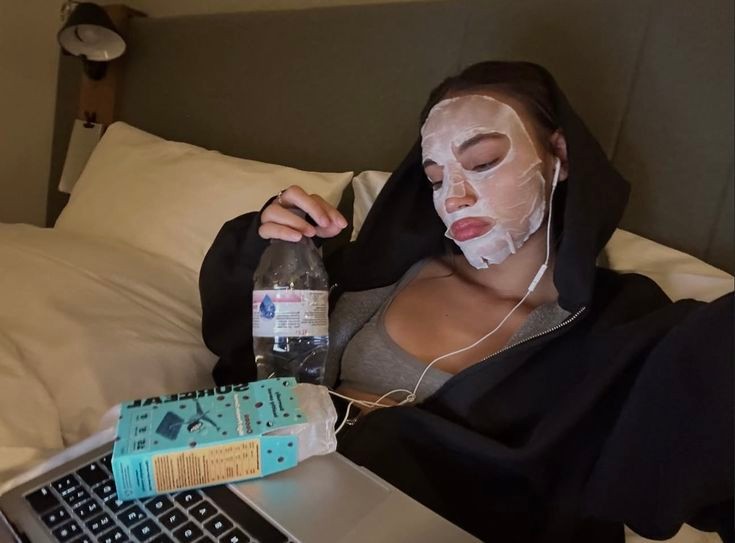
Skin moves in cycles and hormones shape it long before anything shows up on the surface. If you are anything like me, you will notice changes in your skin throughout your menstrual cycle. Breakouts before your period. Calm, glowing skin just before ovulation. The shifts are subtle, then suddenly very obvious. And they can be frustrating to manage.
Understanding how hormonal changes affect your skin can help you respond with intention rather than confusion. The main players are oestrogen and progesterone. They work together to regulate your menstrual cycle, but they also influence hydration levels, oil production, sensitivity and skin repair. At times, they support your skin goals. At others, they work quietly against them. We are here to help you work with your skin through every phase of your cycle. This guide focuses on a 28-day cycle. If that does not reflect your body, that is fine. Hormones are individual. Use this as a framework, not a strict routine
Menstruation (Days 1-5/6)
During menstruation, skin often becomes more sensitive, mirroring how the body feels overall. As oestrogen and progesterone drop, the skin barrier can weaken, leaving skin dry, dull or reactive. This is the moment to slow down. Focus on soothing and hydrating with simple formulas. Skip harsh exfoliants, retinol and strong actives, which can feel overwhelming at this stage. If you usually wax your eyebrows or face, consider waiting. Increased sensitivity can make skin more prone to irritation and lifting. Look for barrier-supporting ingredients like hyaluronic acid, ceramides, niacinamide and vitamin B12. Think comfort, not correction.
The Inkey List Hyaluronic Acid Serum:
The Ordinary Soothing & Barrier Support Serum:
Follicular Phase (Days 6/7 - 14)
The follicular phase is considered to be the best phase for skin. As oestrogen rises after menstruation, collagen production increases and skin appears plumper, clearer and more even. This is when skin tends to feel most resilient and forgiving. Maintain what is working. Gentle actives like vitamin C can enhance brightness, while antioxidants help protect that healthy glow. If chemical exfoliation is part of your routine, continue as normal, but stay mindful. Over-exfoliating at this stage can dull the skin rather than improve it. If you are considering introducing new products, this is the best time to do it. Skin is generally less reactive and better able to tolerate new actives.
Ovulation / Mid-Cycle (Days 12-17)
For many, the skin glow continues. For others, fluctuating hormones and a rise in testosterone can increase oil production. Skin may feel slightly oilier than usual, particularly around the T zone or jaw. To prevent congestion, opt for the use of gentle BHAs or other chemical exfoliants that may be a part of your routine. Look for ingredients such as salicylic acid in serums or face washes to help clear the skin without stripping it. Balance is key here. You are preparing, not correcting.
Some By Mi Aha Bha Pha 30 Days Miracle Acne Clear Cleansing Foam:
Luteal Phase (Days 17-28)
As progesterone rises, oil production often increases and hormonal breakouts become more likely. This phase can feel similar to ovulation, but with less clarity and more congestion. Focus on lightweight, non-comedogenic formulas to avoid blocking pores or worsening inflammation. Ingredients like glycerin, salicylic acid and niacinamide help manage oil while supporting the skin barrier. Water-based moisturisers are often more comfortable at this stage. Avoid heavy, oily products and be mindful of excessive sugar if your skin is breakout-prone.
Hormones are complex, and so is skin. Following this guide will not guarantee perfect skin, but perfection is not the point. The real value lies in awareness. Understanding patterns. Listening closely to what your skin needs at different moments rather than forcing consistency where it does not exist. Breakouts before your period may not resonate with you. Oiliness during the luteal phase might. How your hormones affect your skin is deeply personal. This is simply a scientific framework to help you interpret the changes your skin moves through each month and respond with confidence rather than frustration.
Cover Image via @ninakle